Booking a dumpster that’s too small means a second trip — and a second bill. Booking one too large means paying for space you never used. The right size is usually pretty predictable once you know what to look for.
Roll-Off Containers: The Three Most Common Sizes
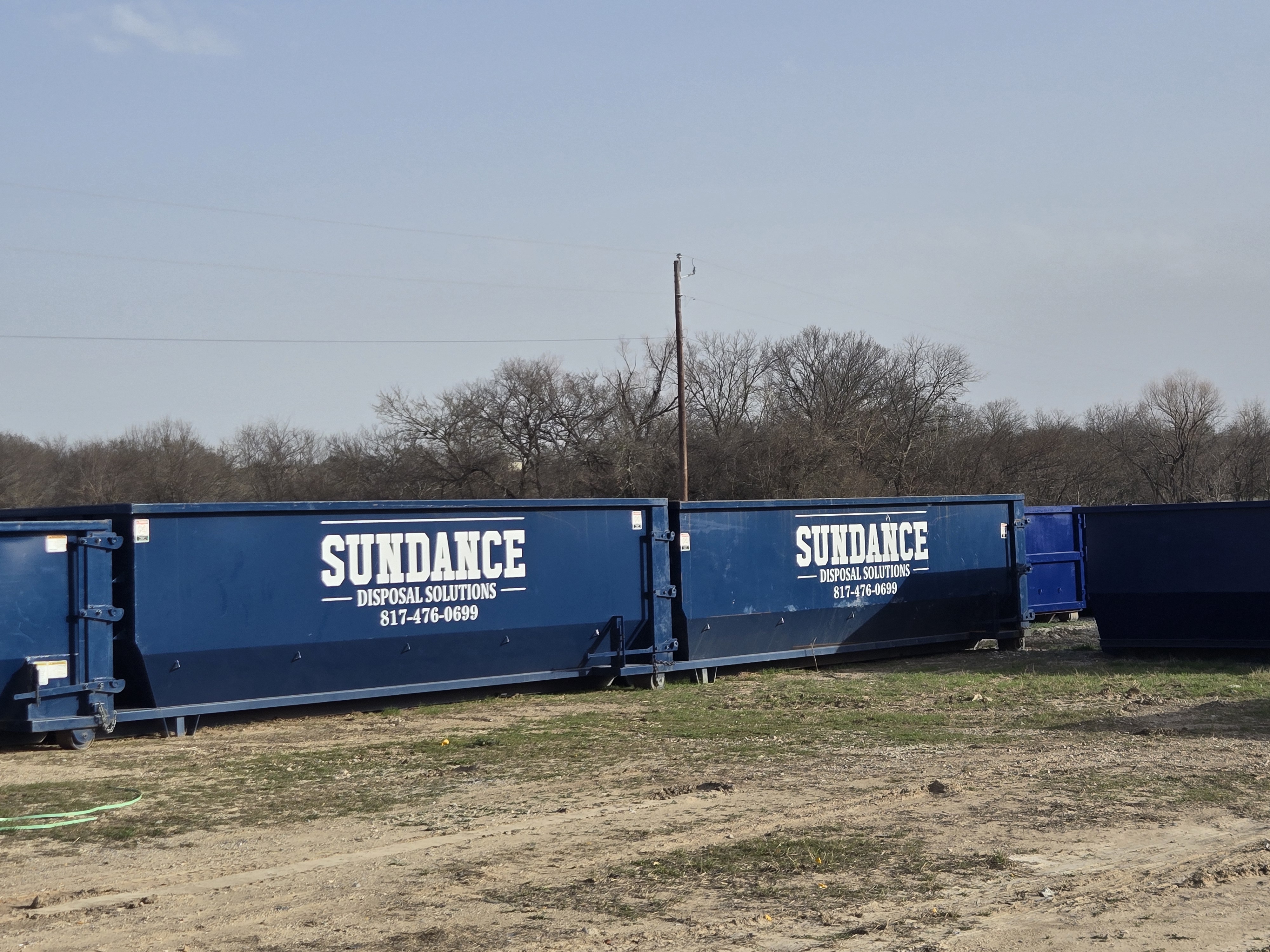
20-Yard Roll-Off The most popular choice for residential projects. A 20-yard holds roughly 10 pickup truck loads of debris — enough for a kitchen remodel, a full bathroom gut, a roofing job on a mid-size home, or a whole-house cleanout. If you’re unsure whether you need a 20 or 30, most customers who hesitate and go with the 20 are glad they did.
30-Yard Roll-Off Step up to a 30 when the project is bigger than one room — large-scale home remodels, multi-room renovations, new construction cleanup, or estate cleanouts where the house has a full attic, garage, and outbuildings. The 30-yard holds roughly 15 pickup truck loads.
40-Yard Roll-Off The 40 is a commercial and construction-site container. It’s used on roofing jobs for large commercial buildings, major demolitions, or any project generating a very high volume of debris over an extended period. For most residential projects, it’s more than you need.
Front-Load Containers: Sized by Business Volume
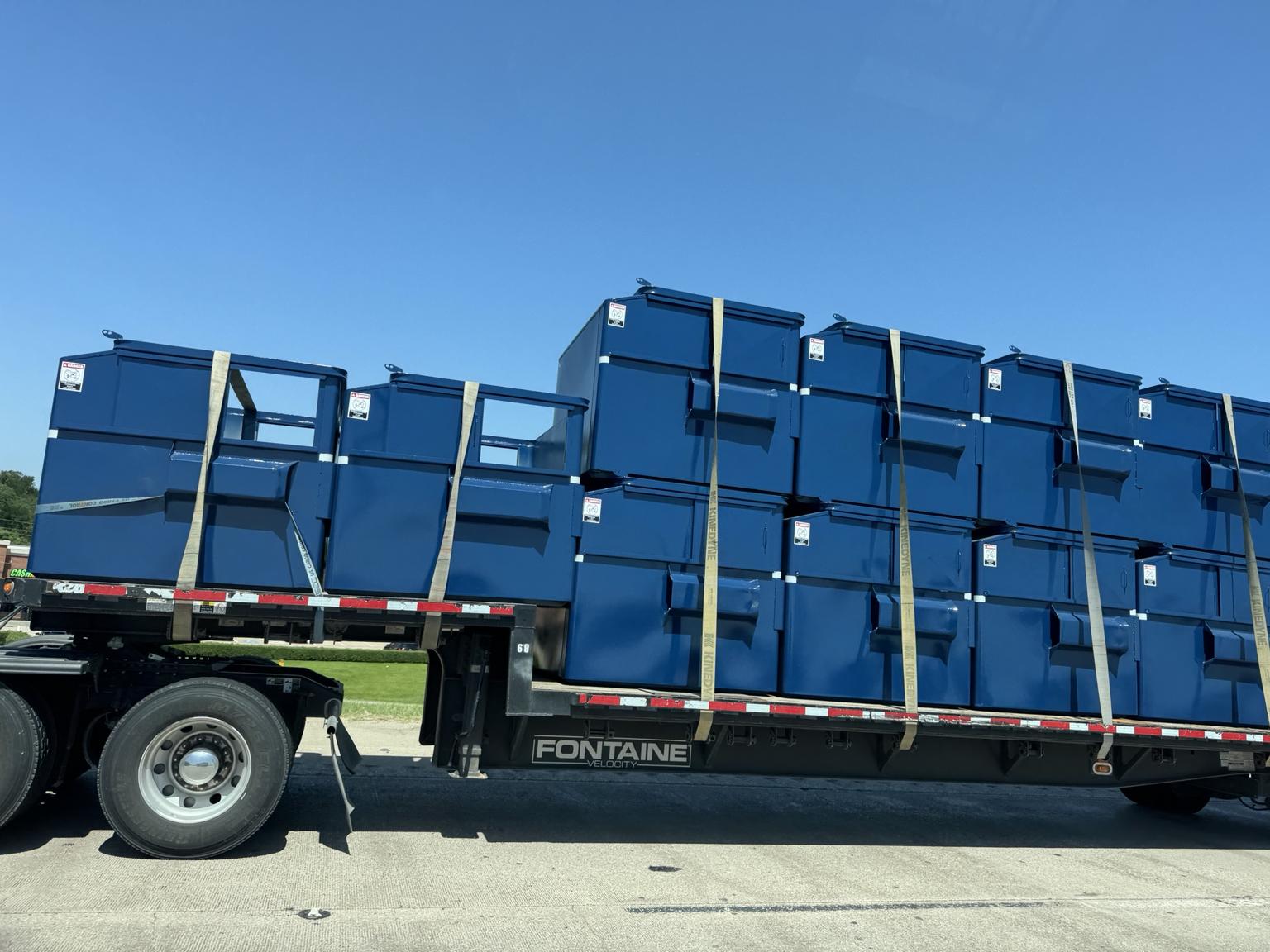
If you’re a business owner looking for a permanent or recurring container, the math works differently. Front-load containers (2, 4, 6, and 8 yards) are sized by how much waste your business generates per week — not by project size.
- 2-yard: Small offices, boutiques, low-volume retail
- 4-yard: Restaurants, medium-volume service businesses
- 6-yard: Multi-tenant buildings, higher-volume food service
- 8-yard: Large commercial operations, grocery, production facilities
The Fastest Way to Size Your Project
Ask yourself: how many contractor bags of trash would this project fill? If the answer is under 40 bags, a 10-yard works. 40–100 bags, you want a 20. Over 100 bags — or if you have drywall, lumber, concrete, or roofing shingles — go with a 30.
Still not sure? Call us at 817-476-0699. We’ll size your project on the phone in about two minutes, and there’s no charge to change the container size before delivery.
A Few Things That Change the Calculation
Heavy materials add up fast. Concrete, dirt, asphalt, and tile are heavy even in small quantities. A 30-yard container filled with clean fill dirt may exceed weight limits and cost extra. If your project is heavy-material-heavy, we’ll talk through that with you before you commit.
Roofing has its own math. One layer of shingles on an average home fills about a 10-yard. Two layers plus decking usually means a 20. A full tear-off on a large roof typically needs a 30.
Don’t forget the framing and insulation. They’re light but bulky. If you’re gutting walls, bulky materials eat up volume fast. When in doubt, go one size up — you’ll thank yourself when the container is almost full and you still have a room to go.
The right size saves you money and a phone call the day before pickup. If you’ve never rented before, just tell us the project and let us walk you through it.