The phrase “dumpster rental” covers a lot of ground. A homeowner doing a bathroom remodel, a restaurant owner who needs weekly pickup, and a contractor clearing a job site all need waste service — but they need completely different things. Using the wrong service usually means paying more than you should or making an extra phone call to fix it.
Here’s how the three main service types differ and when each one makes sense.
Curbside Residential Pickup
If you have household garbage — the regular weekly output of a home — residential curbside pickup is what you want. A cart is delivered to your property, you roll it to the curb on pickup day, and the truck empties it automatically.
This service makes sense for: homeowners and renters in areas without a municipal garbage contract, HOAs that want a single vendor for an entire neighborhood, and rural properties outside city limits where the city truck doesn’t come.
What it doesn’t cover: large one-time projects, construction debris, appliances, or anything that won’t fit in a standard cart.
Roll-Off Dumpster Rental
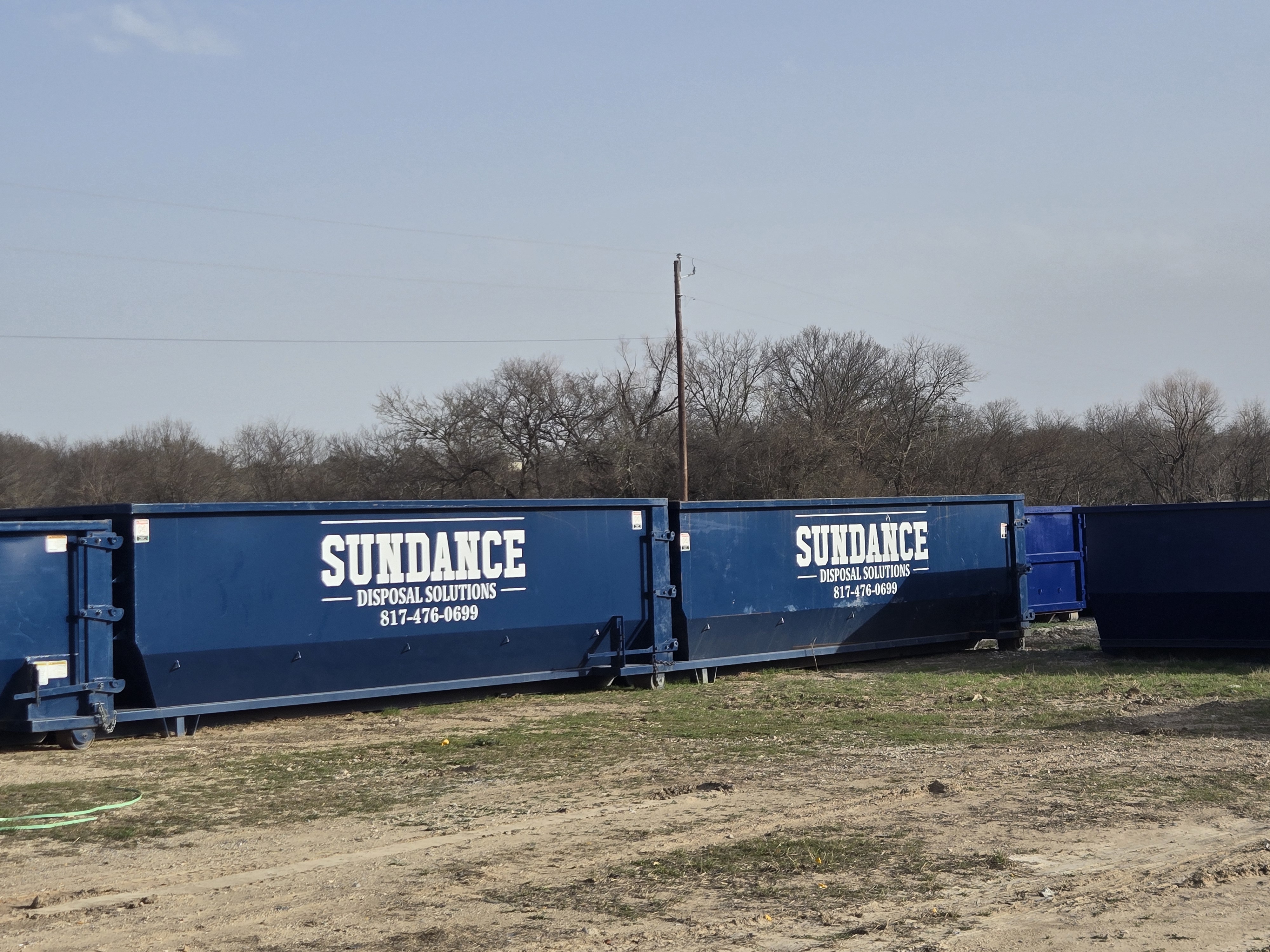
A roll-off is an open-top container dropped in your driveway or on a job site. You load it yourself, and we pick it up when you’re done (or swap it for an empty one if you need more time).
Roll-offs are the right call for: home remodels, roofing jobs, whole-house cleanouts, estate cleanouts, new construction projects, and demolition. They come in 20, 30, and 40-yard sizes — the 20-yard handles most residential projects, the 30 and 40 are for bigger jobs and commercial sites.
The key characteristic of a roll-off is that it’s temporary. You rent it for a set period (typically 7–14 days), fill it up, and we haul it away. It’s not something that lives at your property permanently.
Front-Load Commercial Service
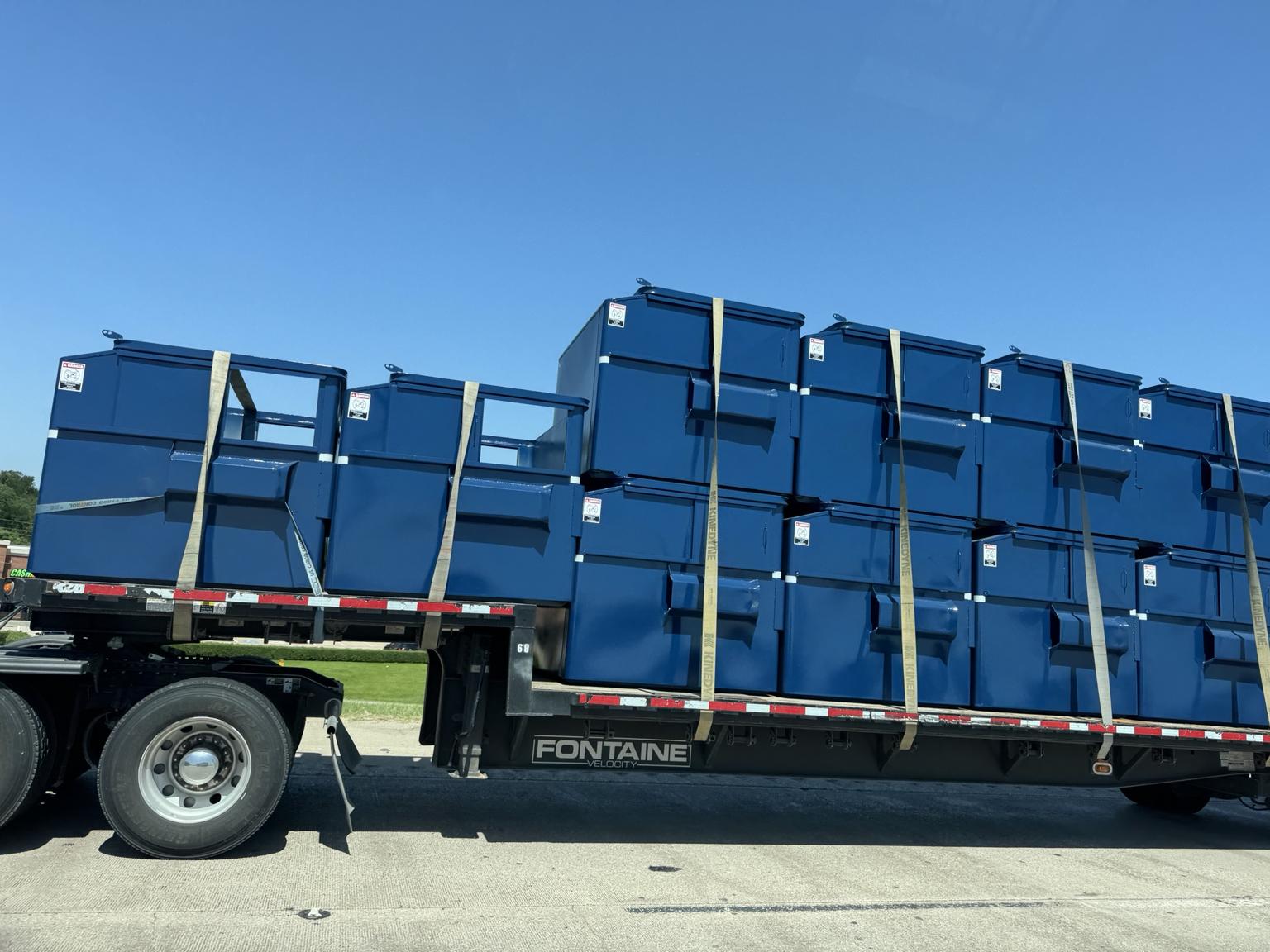
Front-load containers (2 through 8 yards) are the dumpsters you see behind restaurants, office buildings, and strip malls. They’re permanent or semi-permanent — the container stays on your property and a truck comes on a scheduled basis (daily, weekly, or several times a week) to empty it.
This service is for businesses and multi-tenant properties that generate waste consistently. The right container size and pickup frequency depends on your volume: a small office might need a 2-yard emptied weekly, while a high-volume restaurant might need a 4-yard emptied three times a week.
Front-load service is also what makes sense for apartment complexes, retail centers, and any commercial property that needs a vendor to handle waste on an ongoing basis rather than a one-time removal.
The Overlap: When It’s Not Obvious
A few situations create real ambiguity:
A business doing a major renovation. Your regular front-load container isn’t built for construction debris — it’ll fill up too fast and the material may exceed weight limits. Rent a roll-off for the duration of the project and keep your existing service running for the regular trash.
A homeowner with a rental property. If tenants generate normal household waste, residential pickup is the right fit. If you’re turning over a unit and need to haul out a full apartment’s worth of furniture and debris, a roll-off is faster and cheaper for that job.
A small construction company. Contractors typically rent roll-offs on a per-job basis rather than setting up permanent service. That changes if you have a yard or storage facility that generates regular waste — then front-load service may make sense for the base of operations.
The Simplest Way to Decide
Ask yourself one question: is this a one-time cleanup or an ongoing need?
One-time or project-based: roll-off dumpster. Ongoing, regular waste: front-load commercial or residential curbside. Normal household trash in an area without municipal service: residential curbside.
If you’re still not sure, call us at 817-476-0699. We’ll ask you two or three questions and have an answer in a couple of minutes. There’s no obligation and no hard sell — we’d rather set you up with the right service the first time.